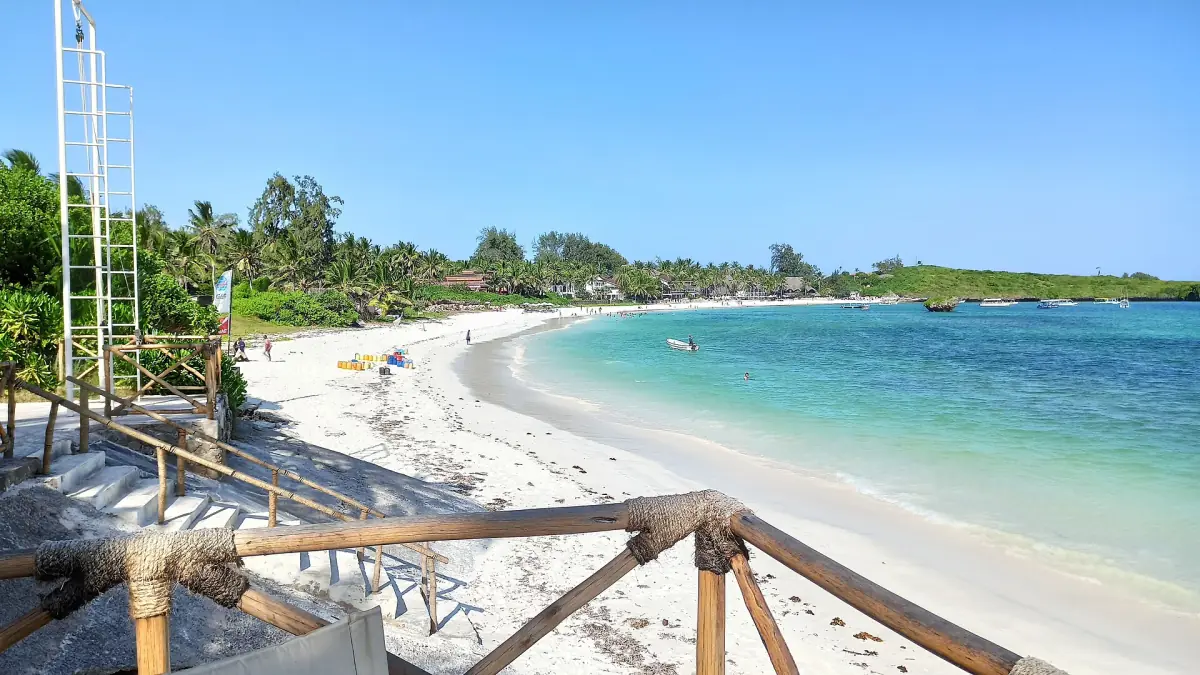
Watamu at a glance
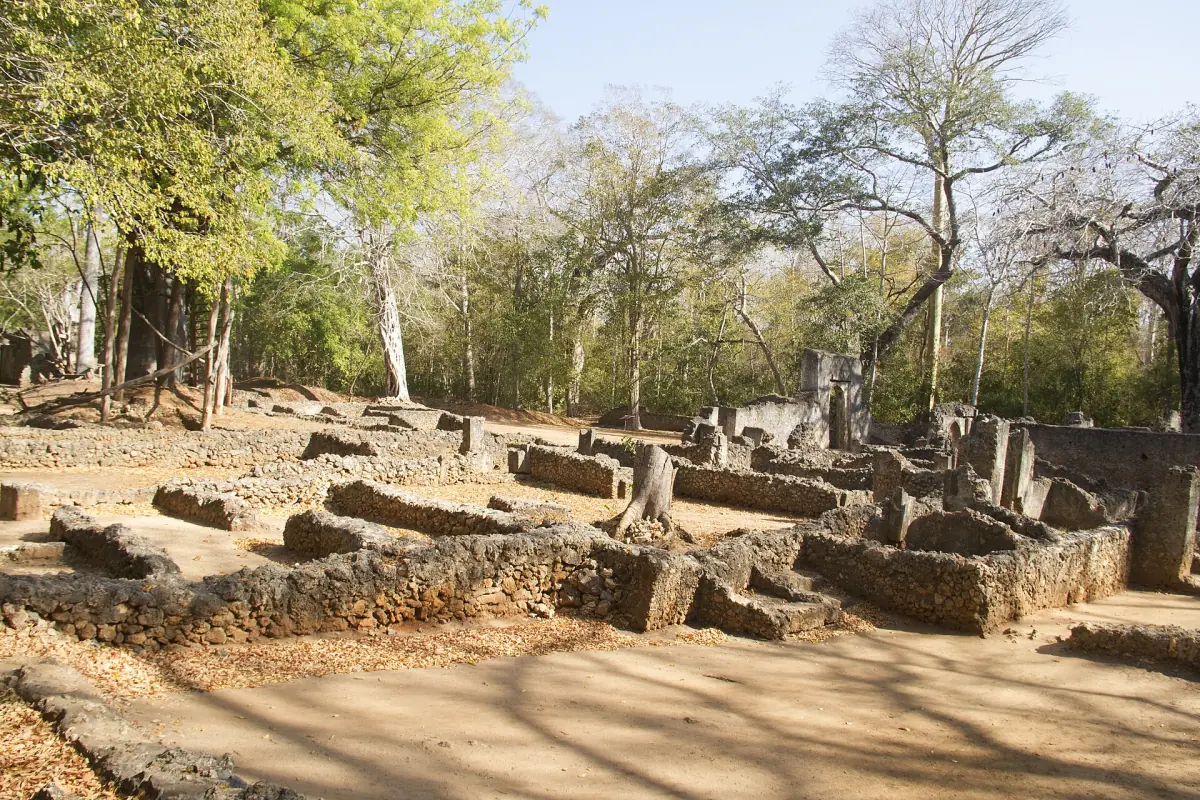
Watamu is a beach town on Kenya's north coast with three things that set it apart: a protected marine area off the beaches, Mida Creek with its mangroves, and a conservation center that treats injured sea turtles. Most visitors combine swimming and snorkeling with one or two half-day trips. The ruins at Gede are close enough for a morning visit, see the Gede Ruins guide.
This is an independent guide. It is not run by the Kenya Wildlife Service, a county government or any hotel or tour company. Prices below are published rates for 2026 and can change, so confirm them at the gate or with your operator.
Marine park and marine reserve: what is the difference?
The two areas have different rules, and the sea trips use both.
KWS describes the Watamu Marine National Park as a no-take zone. Nothing may be fished or collected there. The reserve around it, which includes Mida Creek, is a zone of controlled, sustainable use. So an activity in the creek is not automatically a visit to the strict park core. When you book a boat trip, ask whether the marine park fee is included or comes on top. The park fee is not the price of a boat trip, and boat, guide and equipment are separate items.
| Visitor group | Adult | Child |
|---|---|---|
| Non-residents | $25 | $15 |
| Rest of Africa | $15 | $10 |
| Kenya residents | KES 675 | KES 350 |
| East African citizens | KES 500 | KES 250 |
These are the rates KWS lists for the Watamu park and reserve. A KWS daily fee is a single entry valid for up to 24 hours, not a pass for several visits. KWS payments run through the government eCitizen system. KWS published a new fee list in October 2025 and the press reported a court stop soon after, so treat the table as a planning figure and confirm it before you pay.
Our pick: snorkelling and mangroves
This day combines the marine park with a guided canoe ride into the mangroves, and the listing includes fees and taxes, which answers the park-fee question above.
Hand-picked tours, booked through Viator. Prices are indicative starting prices in US dollars (as of October 2026). Tap a tour for live availability and the current price in your currency.
Watamu boat trips and coast day trips
Snorkeling trips, dhow cruises and excursions along the north coast, with live prices and availability.
Mida Creek
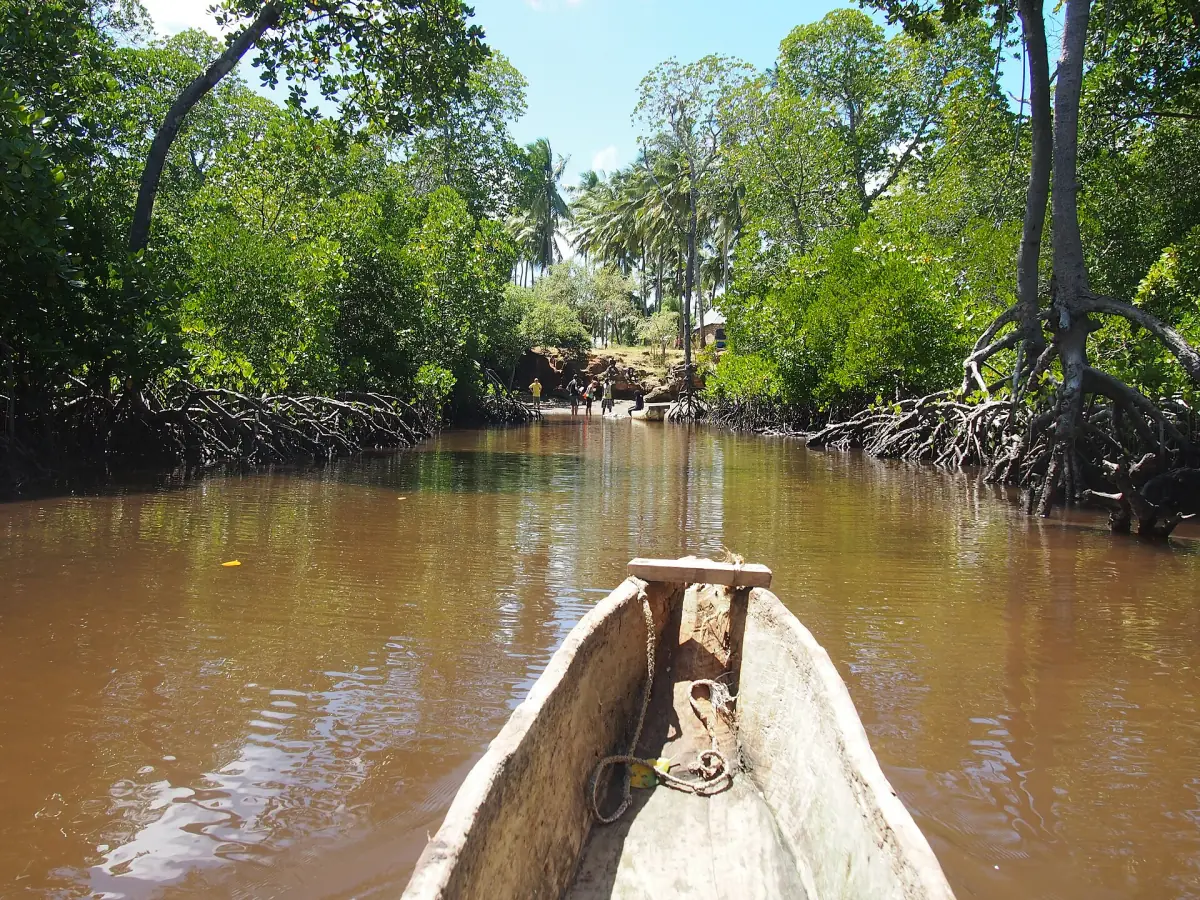
Mida Creek is a tidal inlet lined with mangroves near Watamu. The Kenya Tourism Board describes a guided mangrove and tidal activity where you move with the ebbing water. The word that matters is guided. The tide runs strongly, and nobody should jump into the current on their own.
Ask any operator three things: when the tide turns on your day, how long the trip lasts, and what the price covers. A creek visit also suits bird watchers, but what you see depends on the tide and the season.
Turtle center visits
Local Ocean Conservation runs an educational tour of about one hour. The minimum donation is KES 1,000 per person. You must book in advance and arrive 10 minutes before the start. There is no promise that turtles are in rehabilitation on your day, and you should not count on seeing a release.
| Day | Tour start times |
|---|---|
| Monday | 2 p.m., 3 p.m. |
| Tuesday to Friday | 9 a.m., 10 a.m., 11 a.m., 2 p.m., 3 p.m. |
| Saturday | 9 a.m., 10 a.m., 11 a.m. |
| Sunday and public holidays | Closed |
This schedule was published in January 2025. Check the current times when you book.
Beaches and sea conditions
The water changes with the tide.
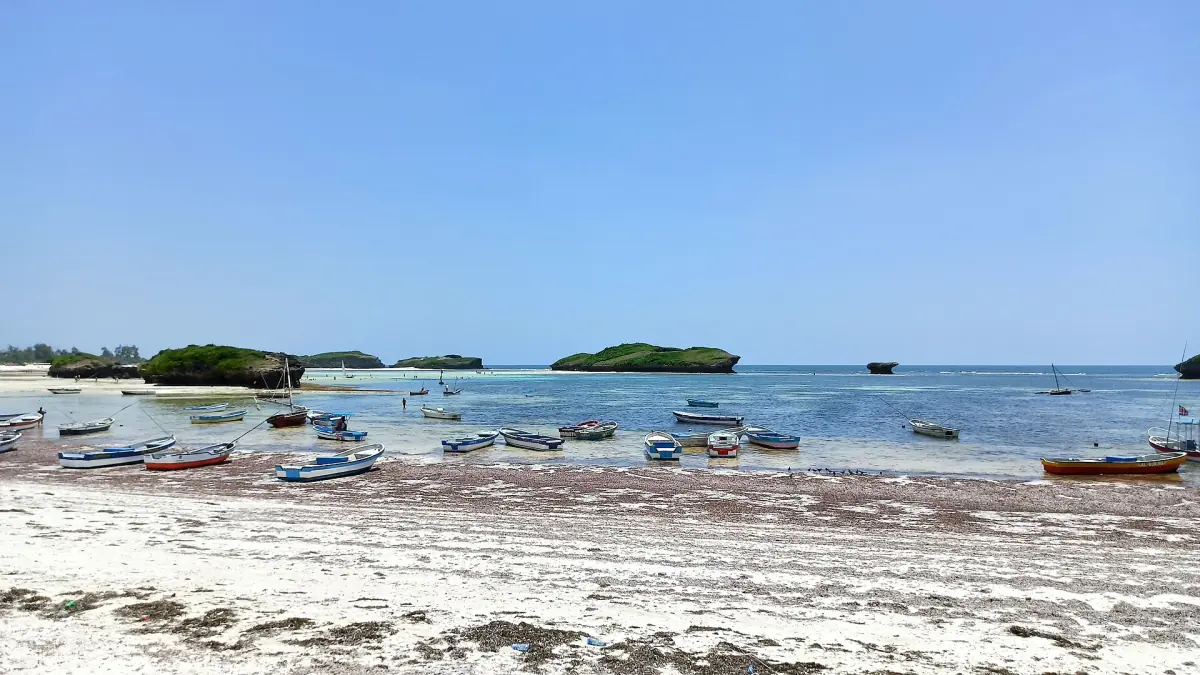
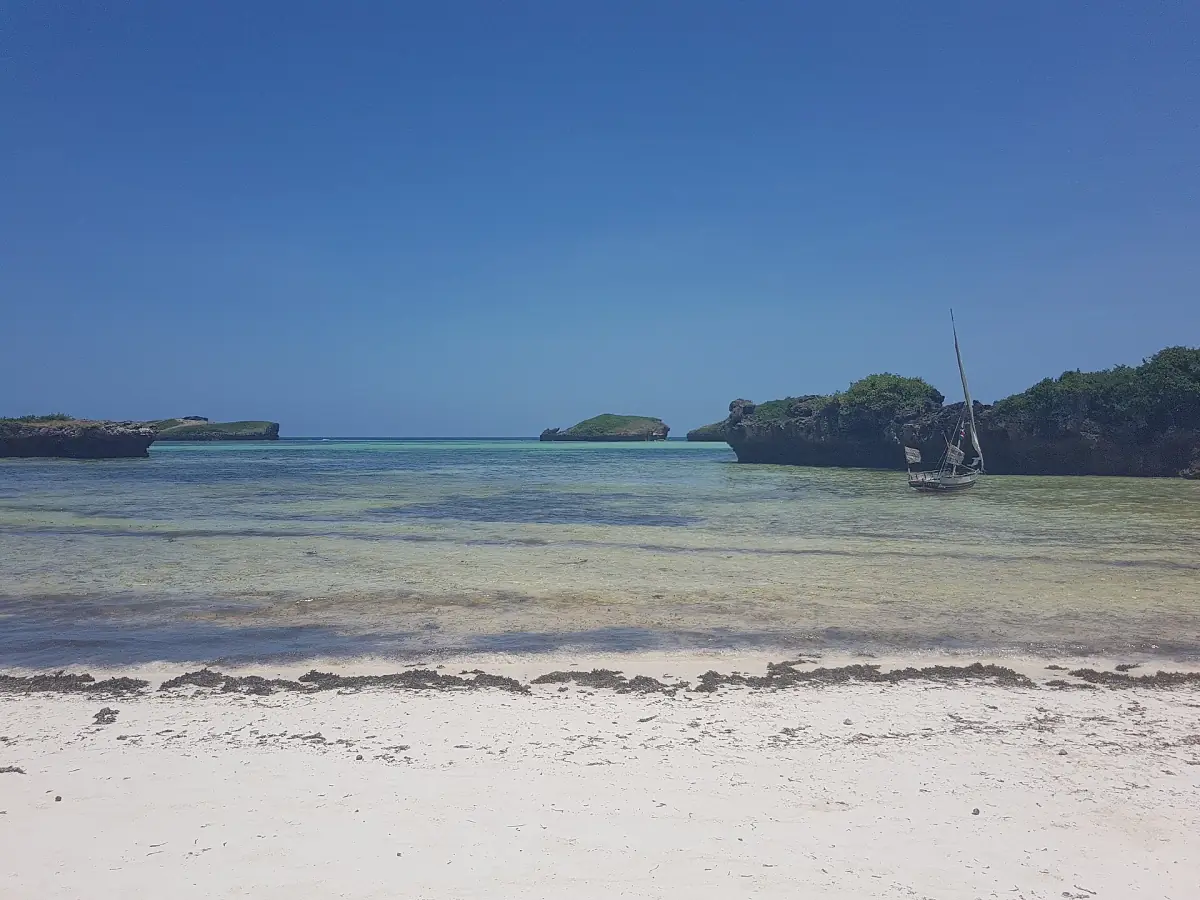
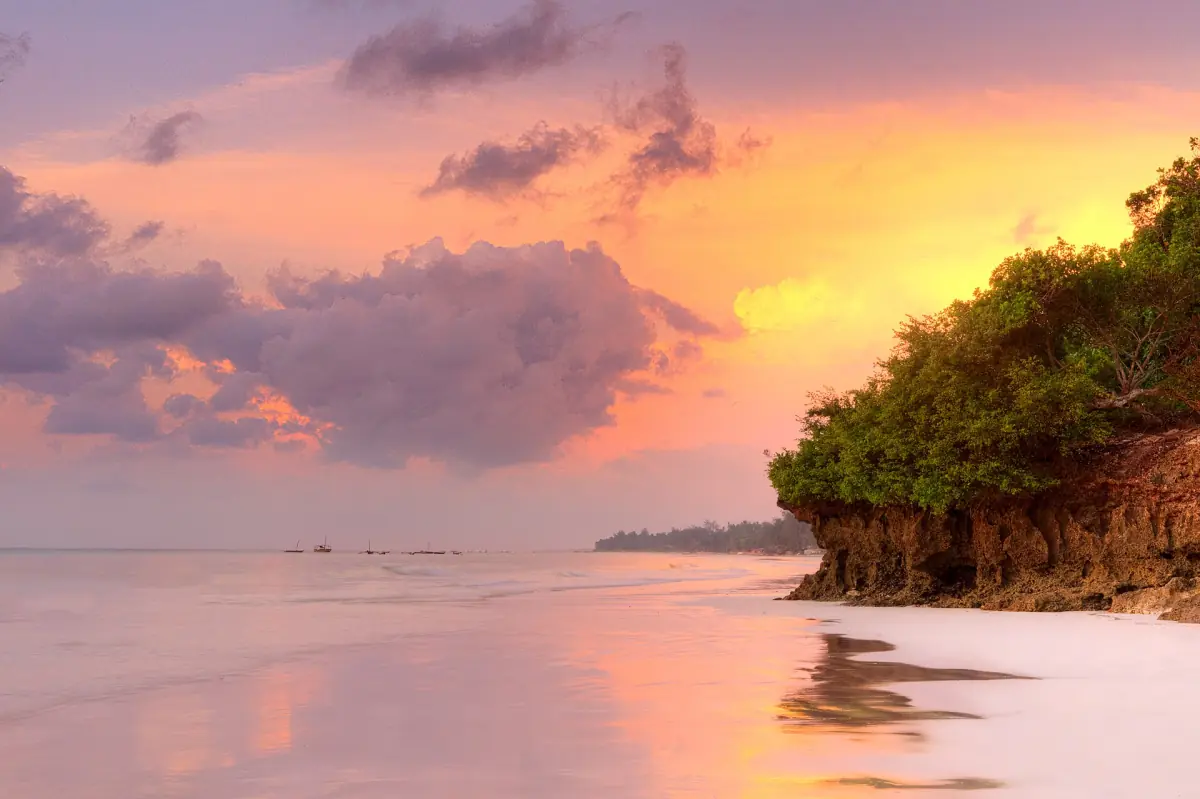
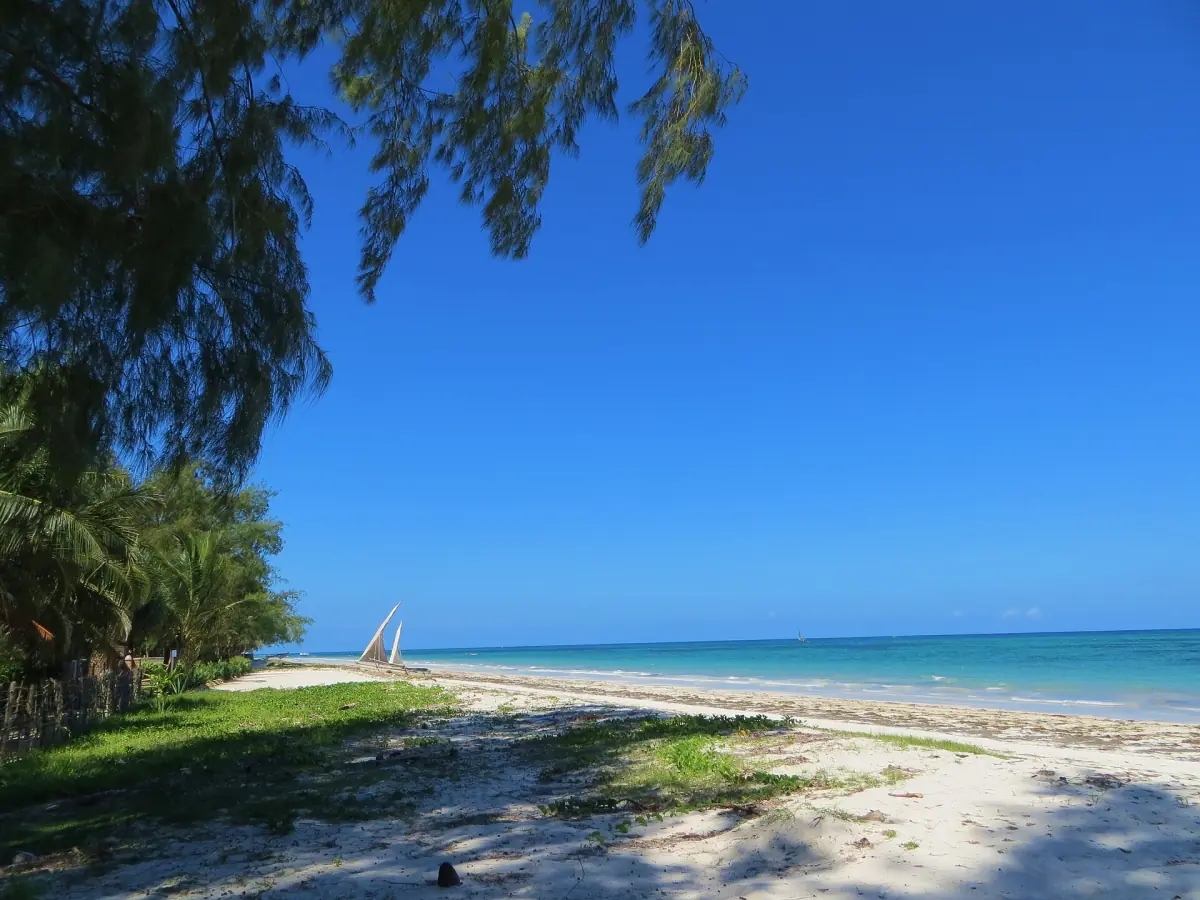
The bay at Watamu is shallow and bright on a calm day, with small islands offshore and boats anchored in front of the beach. A kite school on Diani describes how tidal depth shifts, how surf builds at high water, and how corals, stones, shells and urchins show at low water. It advises reef shoes. The same logic is sensible at any reef beach, so ask your hotel how the water looks on the day.
Beachfront hotels in Watamu often arrange marine-reserve and mangrove trips themselves, which is the simplest way to book if you stay on the sand. Monkeys live in the trees around town. Keep food packed away and do not feed them.
If you want a longer list of beaches along the coast, see Kenya coast beaches compared.
Arabuko-Sokoke Forest
A forest reserve, not a national park.
The coastal forest of Arabuko-Sokoke is managed by the Kenya Forest Service, not by KWS. National park prices therefore do not apply, and the forest has its own fee schedule. Ask for the current fee and for a guide at the gate. Do not enter the forest at night or look for elephants without an authorized guide.
Current travel notes, October 2026
Read the full text from your own government before you book.
United States, October 19, 2026
The US raised Kenya to Level 3, Reconsider travel, citing added health risks. It lists Do Not Travel areas, among them Kilifi County north of Highway C103, coastal areas north of Malindi and Tana River County except Tsavo National Park. Do not shorten this to "all of Kilifi is closed".
United Kingdom, updated October 16, 2026
The FCDO advises against all but essential travel to the 15 km coastal strip between the Tana and the Galana or Sabaki rivers, with more areas further north. It is not a blanket warning for every coastal place on this site.
Germany, valid since October 19, 2026
The Federal Foreign Office has a partial travel warning and notes a higher risk of robbery on beaches and in town centers at night. Walk the beach in daylight and take a taxi after dark.
Safety guide →Entry insurance
According to the FCDO, most foreign short-stay visitors need Kenyan state travel health insurance since October 5, 2026. Foreign policies do not replace it, and an existing eTA does not exempt you.
Getting there →Beach vendors and guides approach visitors. The FCDO advises against buying safaris from touts on the street or beach and suggests reputable operators instead. Lamu has its own notices and its own guide at VisitLamu.org.
Plan the rest of your trip
Nearby places and practical pages.
Watamu: frequently asked questions
How much is the Watamu Marine Park entry fee?
KWS lists $25 for non-resident adults and $15 for children, KES 675 and KES 350 for Kenya residents, and KES 500 and KES 250 for East African citizens. Boat, guide and equipment are separate, so ask what a trip includes.
Can I swim in Mida Creek?
The creek is used for guided mangrove and tidal activities. The current runs with the tide, so go with a guide and ask when the water turns. There is no general swimming area to rely on.
Will I see turtles at the turtle center?
There is no guarantee that turtles are in rehabilitation on the day. The tour lasts about one hour and costs a minimum donation of KES 1,000 per person. Book ahead and arrive 10 minutes early.
Is Watamu safe?
No single answer fits every traveler. The UK, German and US governments publish different advice with different dates and areas, summarized above. Use daylight on the beach, book trips with established operators and check your own government's current notice.
Do I need travel insurance to enter Kenya?
Since October 5, 2026, most foreign short-stay visitors need Kenyan state travel health insurance, according to the FCDO. A foreign policy does not replace it, and an eTA alone does not exempt you. Check the rules for your nationality before you travel.
When is the best time to visit Watamu?
The Kenya Meteorological Department names March to May as the long rains and October to December as a second rainy period. Mombasa figures are a regional guide only, not a Watamu record. See the weather page for the monthly table.