Gede at a glance
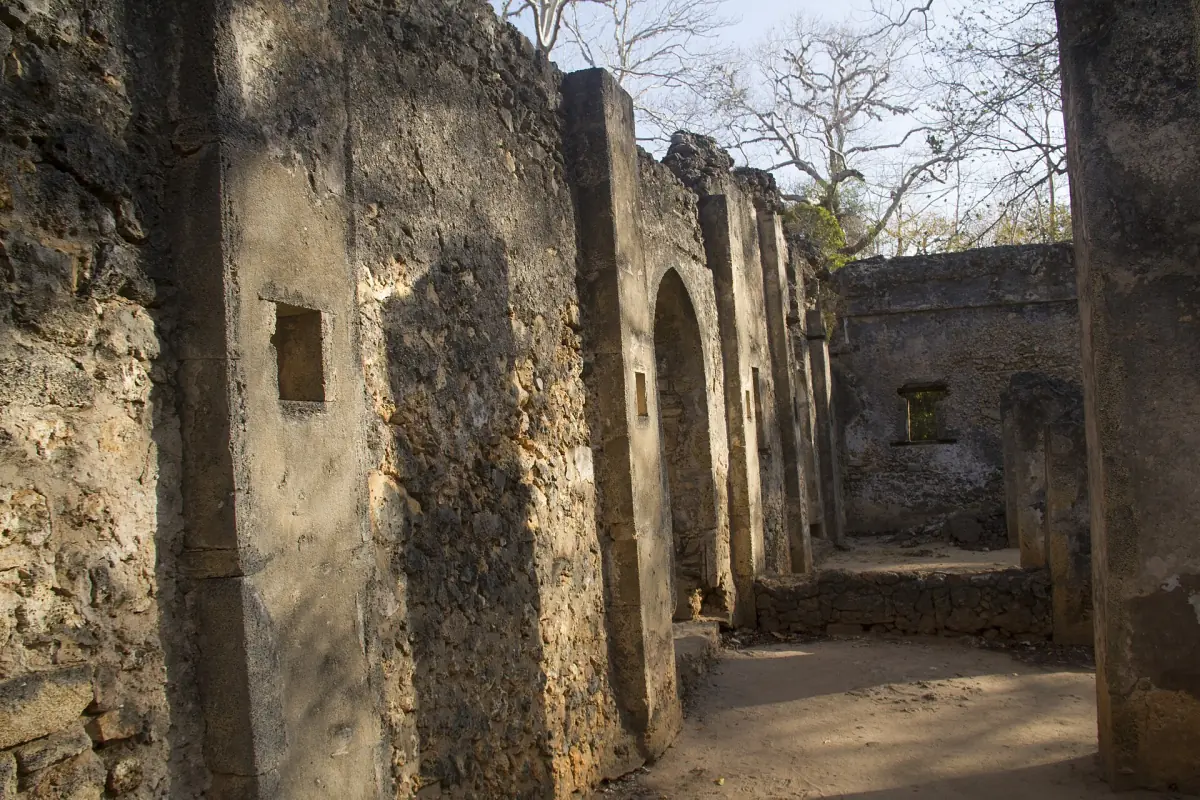
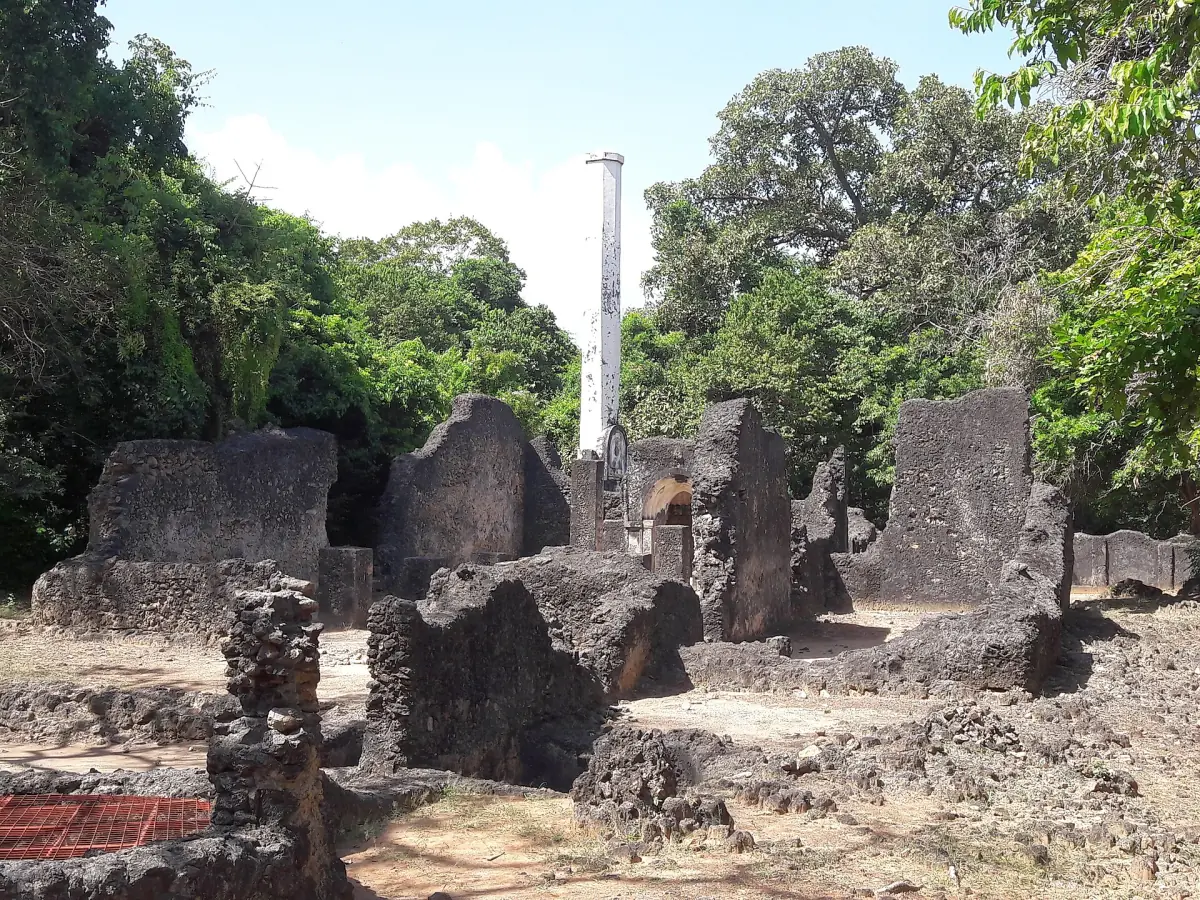
The Historic Town and Archaeological Site of Gedi is a Swahili town that UNESCO dates from the 10th to the 17th century. It was inscribed in 2024. The National Museums of Kenya gives a different start, the 12th century, so treat any exact founding date with care. Both sources agree on the basic picture: a stone town with houses, religious buildings, public buildings and a water supply.
You walk through passages between walls of coral stone. The ruins are fragile. Do not climb on walls or tombs, and treat the graves with respect. This is an independent guide, not the site of the museums service or the monument itself.
Tickets and hours, 2026
Rates from the National Museums of Kenya, in force since May 7, 2026.
| Visitor group | Adult | Child |
|---|---|---|
| Outside Africa | $8 | $4 |
| Residents and rest of Africa | $6 | $3 |
| Kenyan and East African citizens | KES 200 | KES 100 |
The museums service states the hours in two ways. The Gede page lists 8 a.m. to 6 p.m. at the top and 8:30 a.m. to 5:30 p.m. in the visitor section. The fee notice also says 8:30 a.m. to 5:30 p.m. Plan your visit inside the shorter window, daily including public holidays.
Payment goes through the government eCitizen system, and cash is not accepted. Sort out your online payment before you reach the gate. Local guides are offered at the site. Agree the fee before the tour starts, and ask how long it will take.
Our picks: tours to the Gede Ruins
Two day trips with Gede Ruins entry, one from Mombasa and one from Malindi.
Hand-picked tours, booked through GetYourGuide. Prices are indicative starting prices in US dollars (as of October 2026). Tap a tour for live availability and the current price in your currency.
Gede Ruins, Malindi and Hell's Kitchen from Mombasa
Hotel transfer, a guide, Gede Ruins entry, a seafood lunch on Robinson Island and a stop at Marafa Hell's Kitchen. Personal expenses and tips are extra.
Check availability →Gede Ruins and Arabuko-Sokoke Forest from Malindi
Transport from and to Malindi, a local guide and entry to both the Gede Ruins and Arabuko-Sokoke Forest, with culture and nature walks.
Check availability →Gede and Watamu area tours
Day trips and boat excursions along the north coast, with live prices and availability.
What to look for
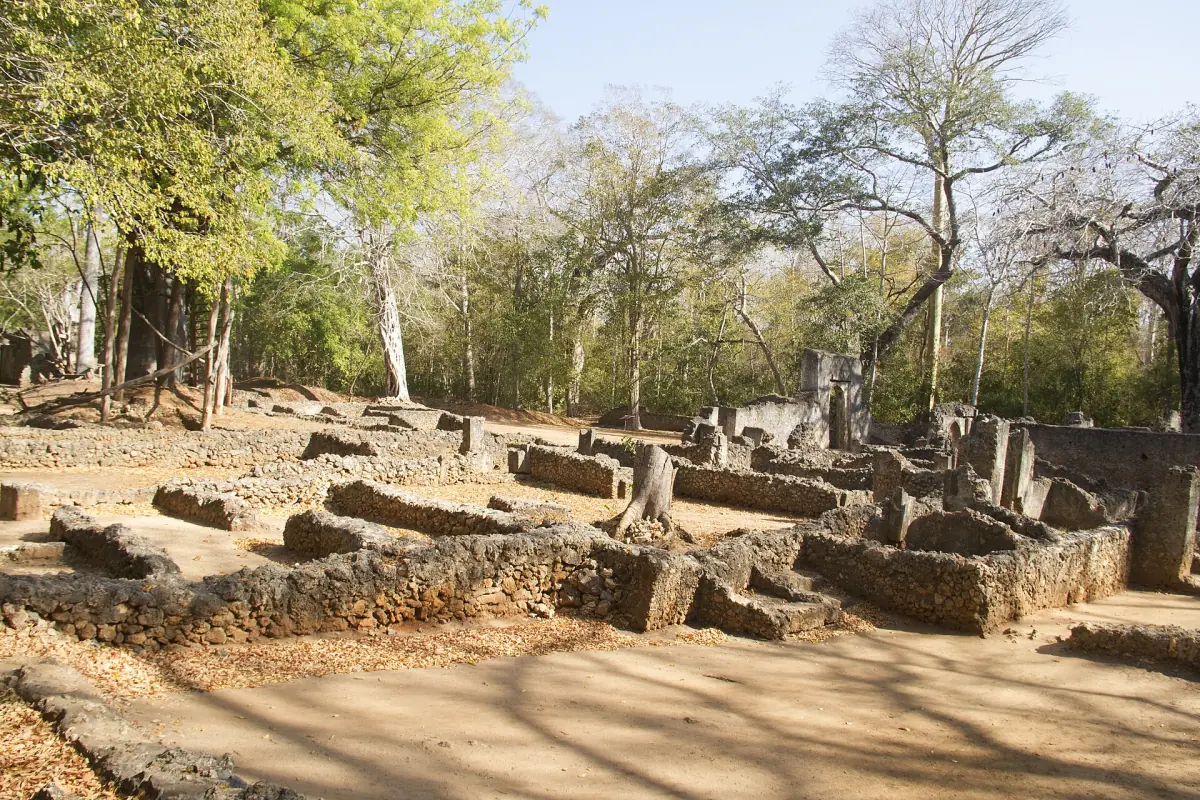
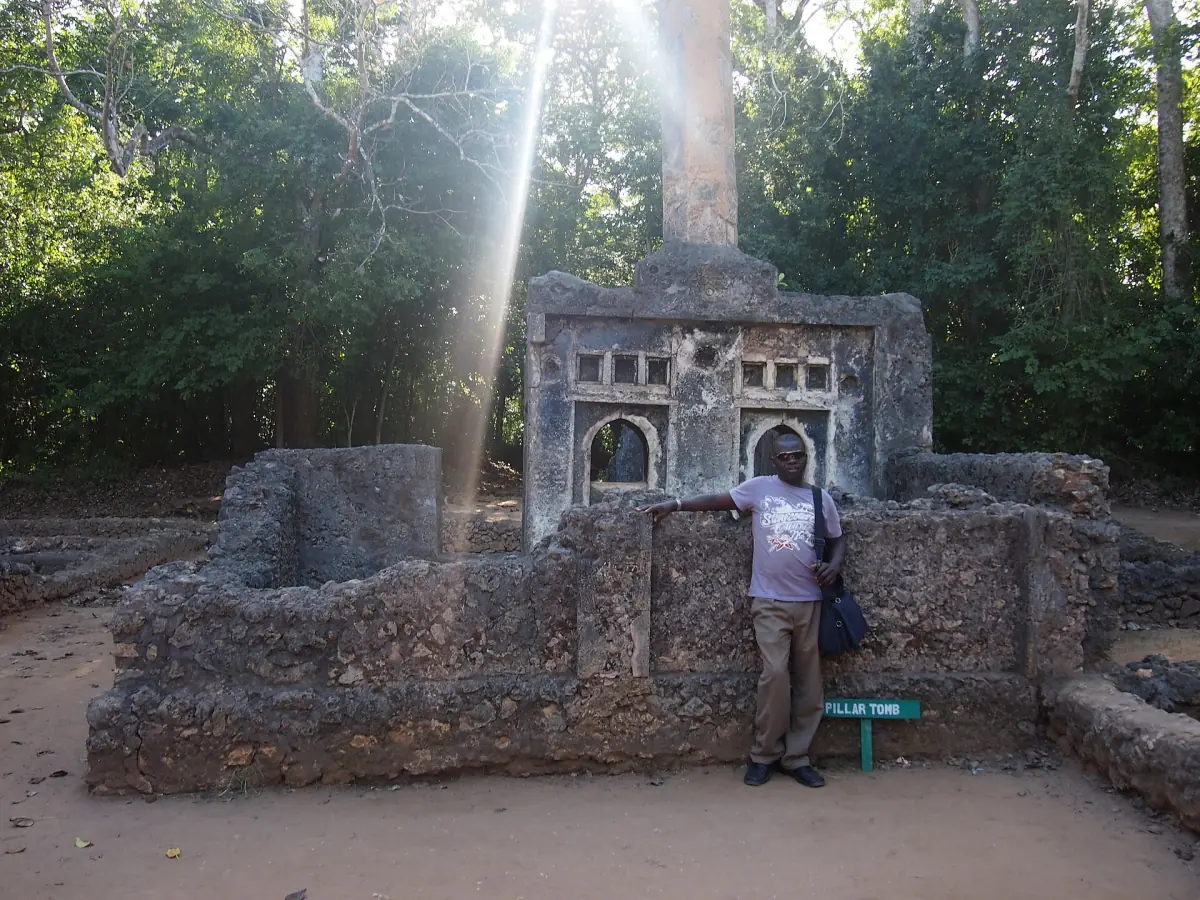
UNESCO lists houses, religious buildings and public buildings, plus the water supply of the town. On the ground that means walls, passages, doorways and tombs, many of them of coral stone. A guide helps you read which building was what. Without one, slow down and look at how the walls, doorways and passages are arranged.
Allow time for a slow walk. Wear sturdy shoes, bring water and sun protection, and take your rubbish with you.
Gede compared with other heritage sites
Non-resident ticket prices since May 7, 2026.
| Site | Where | Adult | Child |
|---|---|---|---|
| Gede Ruins | Near Watamu | $8 | $4 |
| Mnarani Ruins | Kilifi | $8 | $4 |
| Malindi Museum | Malindi | $8 | $4 |
| Fort Jesus | Mombasa | $17 | $8 |
Mnarani is a medieval Swahili site with mosques and tombs, dated from the 14th century. Read about it in the Kilifi guide. The Mombasa fort has its own page: Fort Jesus. If you want another Swahili settlement further north, see Lamu Old Town on our sister site.
Planning your visit
Gede fits well with a Watamu stay.
Pair it with Watamu
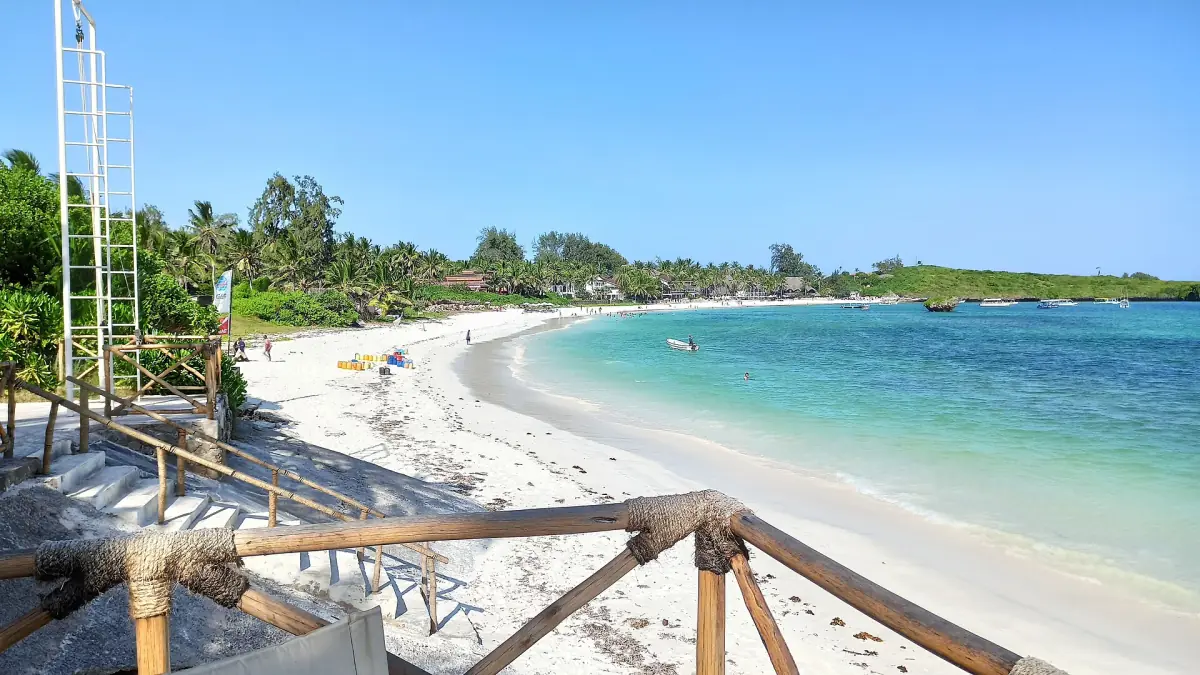
The ruins sit close to Watamu, so many visitors combine them with the marine park, Mida Creek or the turtle center. Check opening times for each place, since the hours differ.
Watamu guide →Bring a way to pay online
With no cash accepted, you need a phone or another way to complete the eCitizen payment. Do this before you queue.
Ask about guides
Guides are offered at the site. The guide's fee is a private agreement, so ask for the price and the length of the walk at the start.
Respect the site
Gede is a heritage site and some of the structures are tombs. Keep to the paths, do not lean on old walls and lower your voice near the graves. Ask before you photograph other visitors or staff.
Check today's rules
Kenya has new entry rules. Since October 5, 2026, most foreign short-stay visitors need Kenyan state travel health insurance, according to the FCDO. Foreign policies do not replace it, and an eTA does not exempt you.
Getting there →Plan the rest of your trip
More places and practical pages.
Gede Ruins: frequently asked questions
How much is the Gede Ruins ticket?
Since May 7, 2026, visitors from outside Africa pay $8 for adults and $4 for children. Residents and visitors from the rest of Africa pay $6 and $3, and Kenyan and East African citizens pay KES 200 and KES 100.
What are the opening hours?
The museums service gives 8:30 a.m. to 5:30 p.m. daily, including public holidays, on the fee notice and in the visitor section. The top of the Gede page says 8 a.m. to 6 p.m. Plan inside the shorter window.
Can I pay in cash?
No. Payment is through eCitizen, so arrange it online before you arrive.
Do I need a guide?
Local guides are offered, and many visitors find one useful. Agree the fee and the length of the walk before you start.
How old are the ruins?
UNESCO describes a Swahili town from the 10th to the 17th century. The National Museums of Kenya places the origin in the 12th century. The sources differ, so no single founding date is given here.
Do I need insurance to travel to Kenya now?
According to the FCDO, most foreign short-stay visitors have needed Kenyan state travel health insurance since October 5, 2026. A foreign policy does not replace it. Check your own government's current travel advice too.