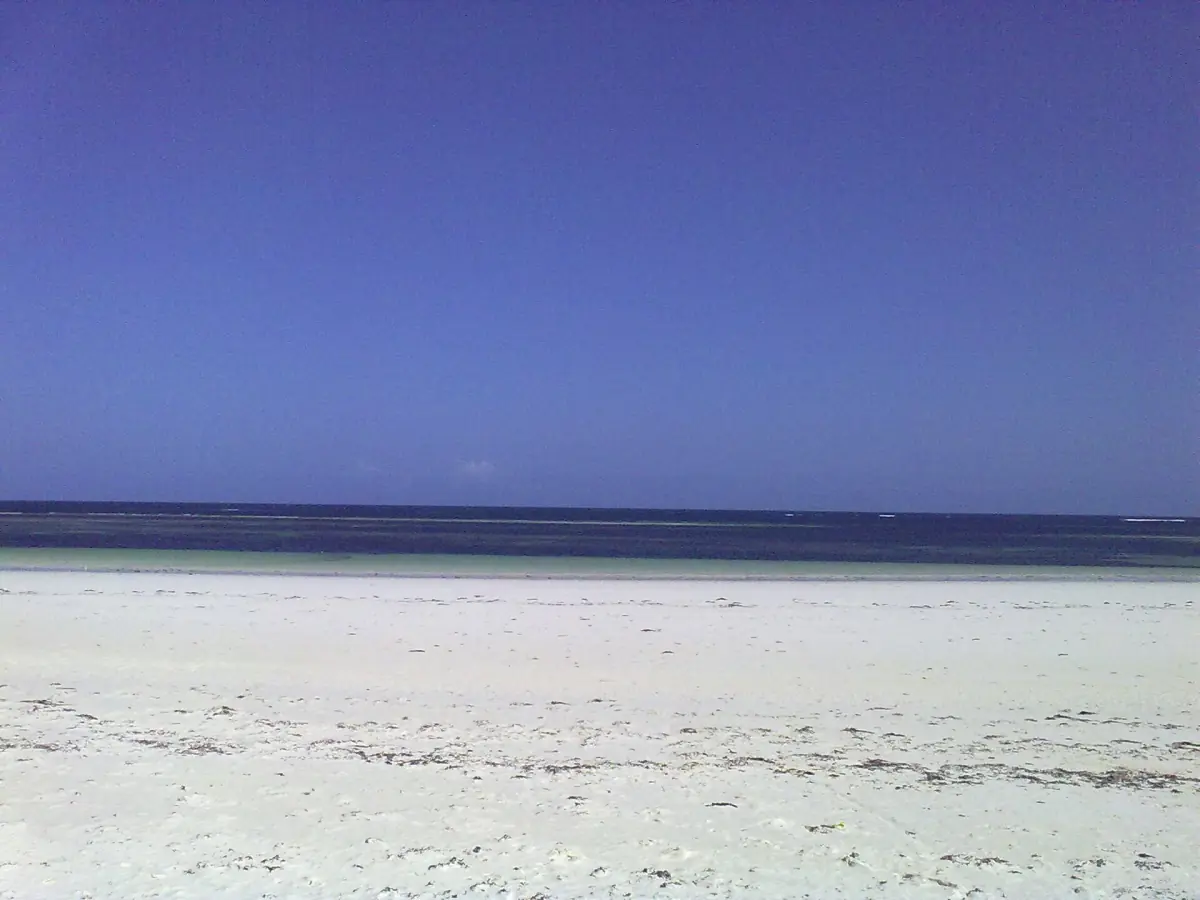
Kilifi at a glance
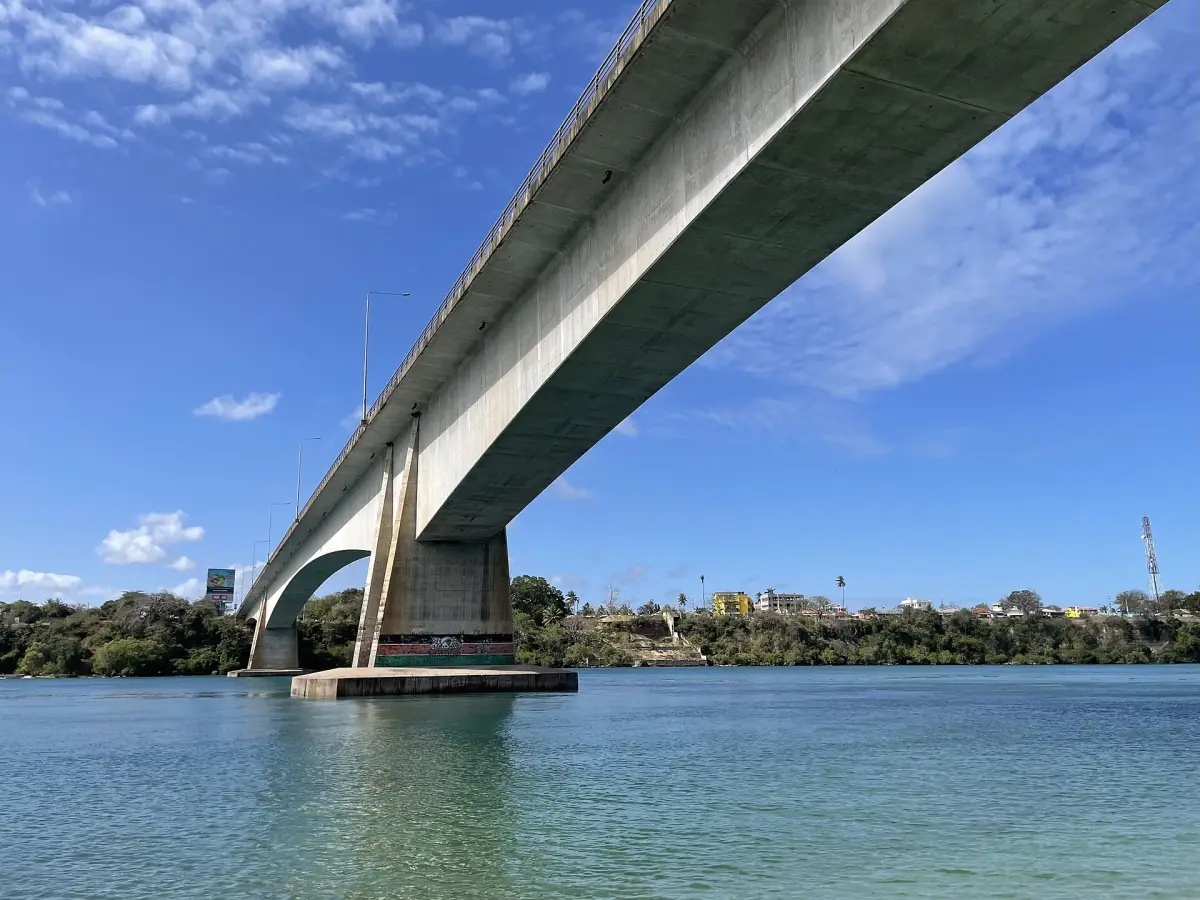
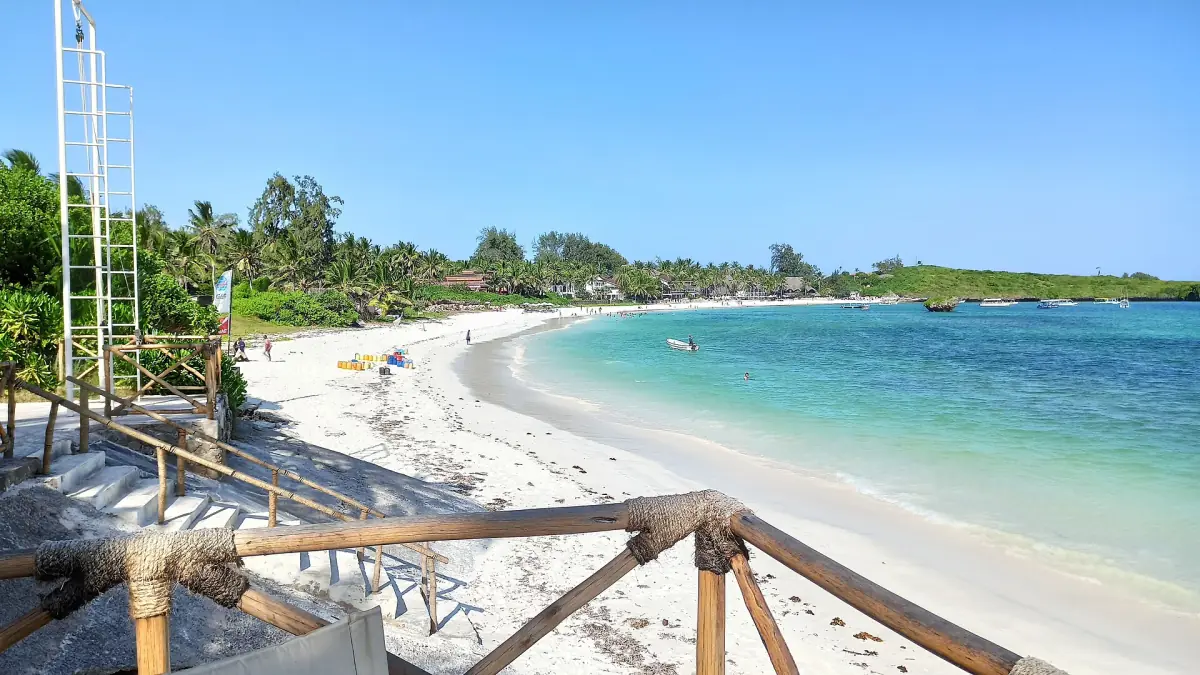
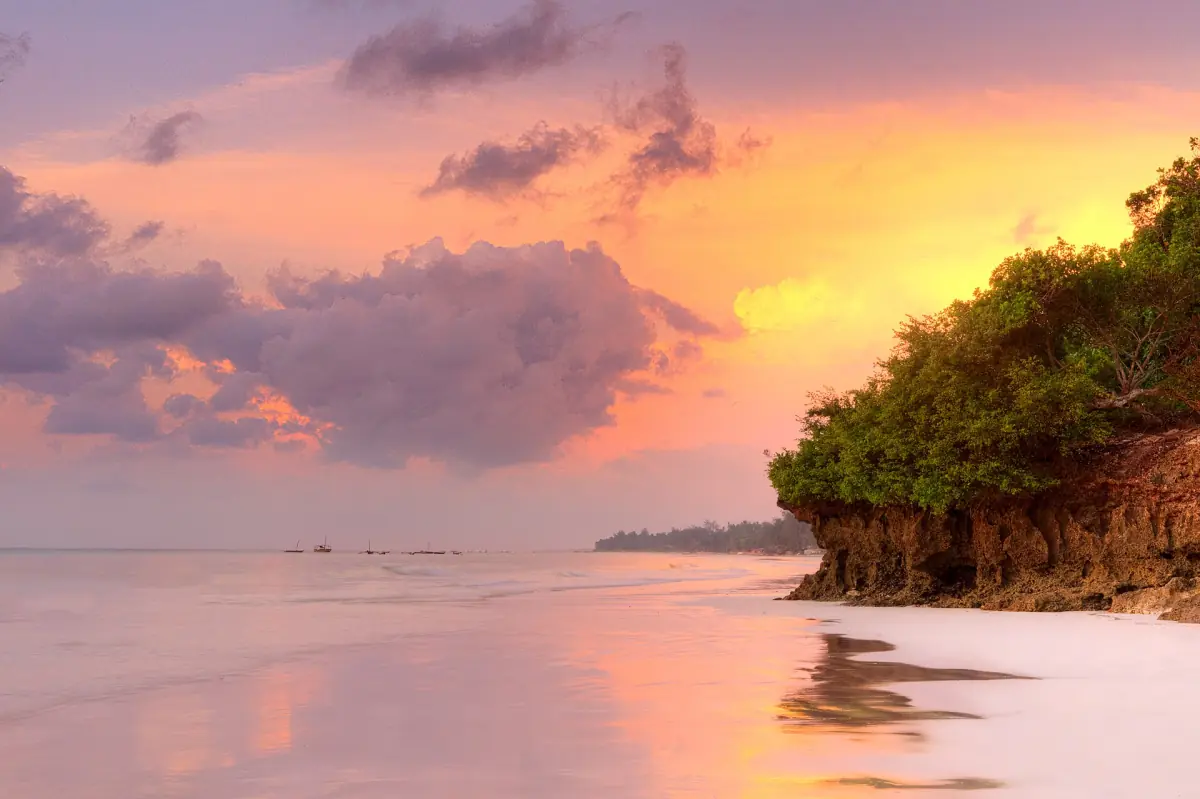
Kilifi sits on the north coast, between Mombasa and Watamu, on a creek that a bridge crosses. Three things draw visitors: the creek itself, Bofa Beach and the Mnarani ruins.
This is an independent guide. It is not the site of the national museums, a county office or an operator. Tickets below are published rates for 2026, so confirm them on arrival.
Travel advice for Kilifi, October 2026
The county is treated differently from the town. Read the details.
United States, October 19, 2026
The US raised all of Kenya to Level 3, Reconsider travel, citing added health risks. Do Not Travel applies to Kilifi County north of Highway C103, coastal areas north of Malindi and Tana River County except Tsavo National Park. That is not the same as the whole county, and the town of Kilifi is a different area description from the county. Look at a road map to see where your route crosses C103 before you go.
United Kingdom, updated October 16, 2026
The FCDO advises against all but essential travel to the 15 km coastal strip between the Tana and the Galana or Sabaki rivers, with more areas further north.
Germany, valid since October 19, 2026
A partial travel warning. The Federal Foreign Office notes a higher risk of robbery on beaches and in town centers at night.
Safety guide →Entry insurance
Since October 5, 2026, most foreign short-stay visitors need Kenyan state travel health insurance, according to the FCDO. Foreign policies do not replace it, and an eTA does not exempt you.
Getting there →Our pick: a safari from Kilifi
If you stay on the north coast, this two-day Tsavo East safari collects guests from hotels in Kilifi as well as Malindi, Watamu and Mombasa.
Hand-picked tours, booked through Viator. Prices are indicative starting prices in US dollars (as of October 2026). Tap a tour for live availability and the current price in your currency.
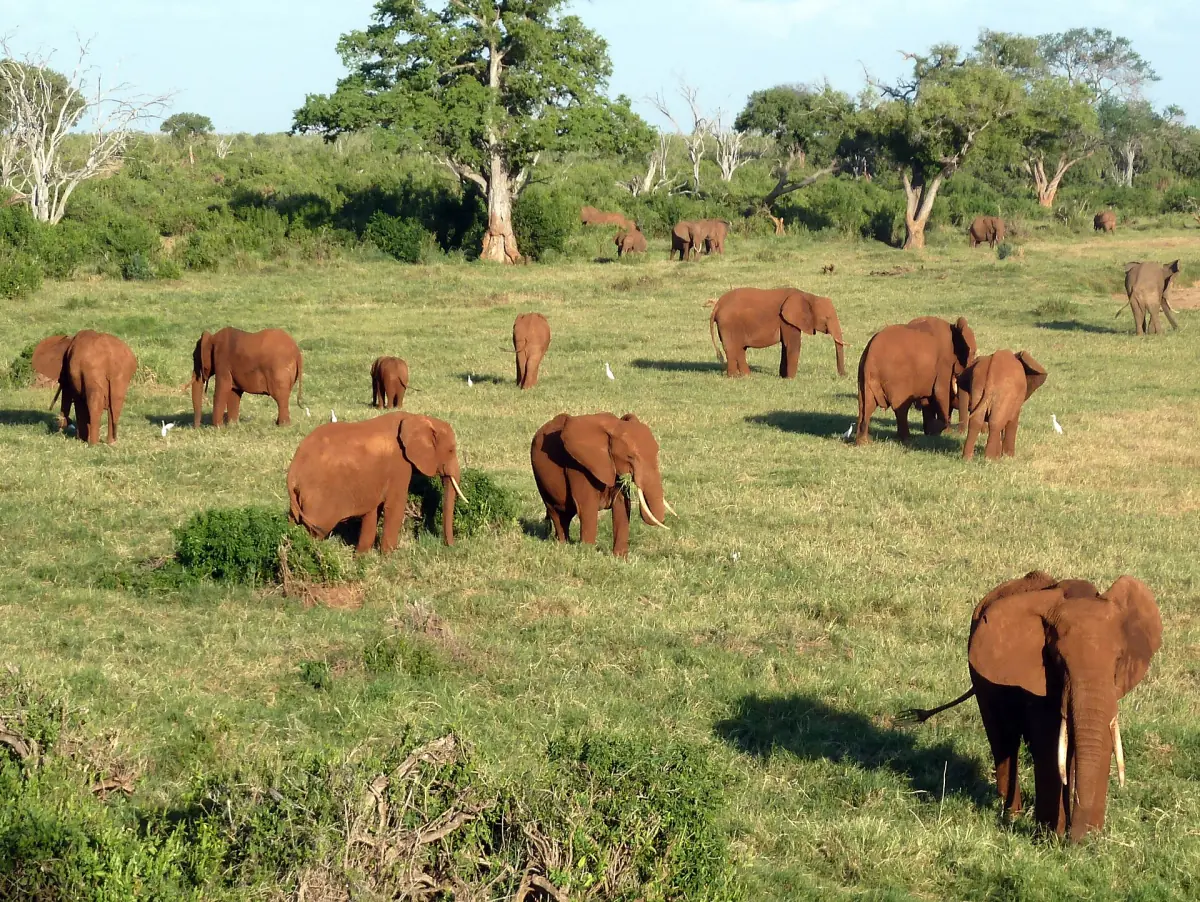
Kilifi and north coast tours
Boat trips, snorkeling and day excursions along the Kenya coast, with live prices and availability.
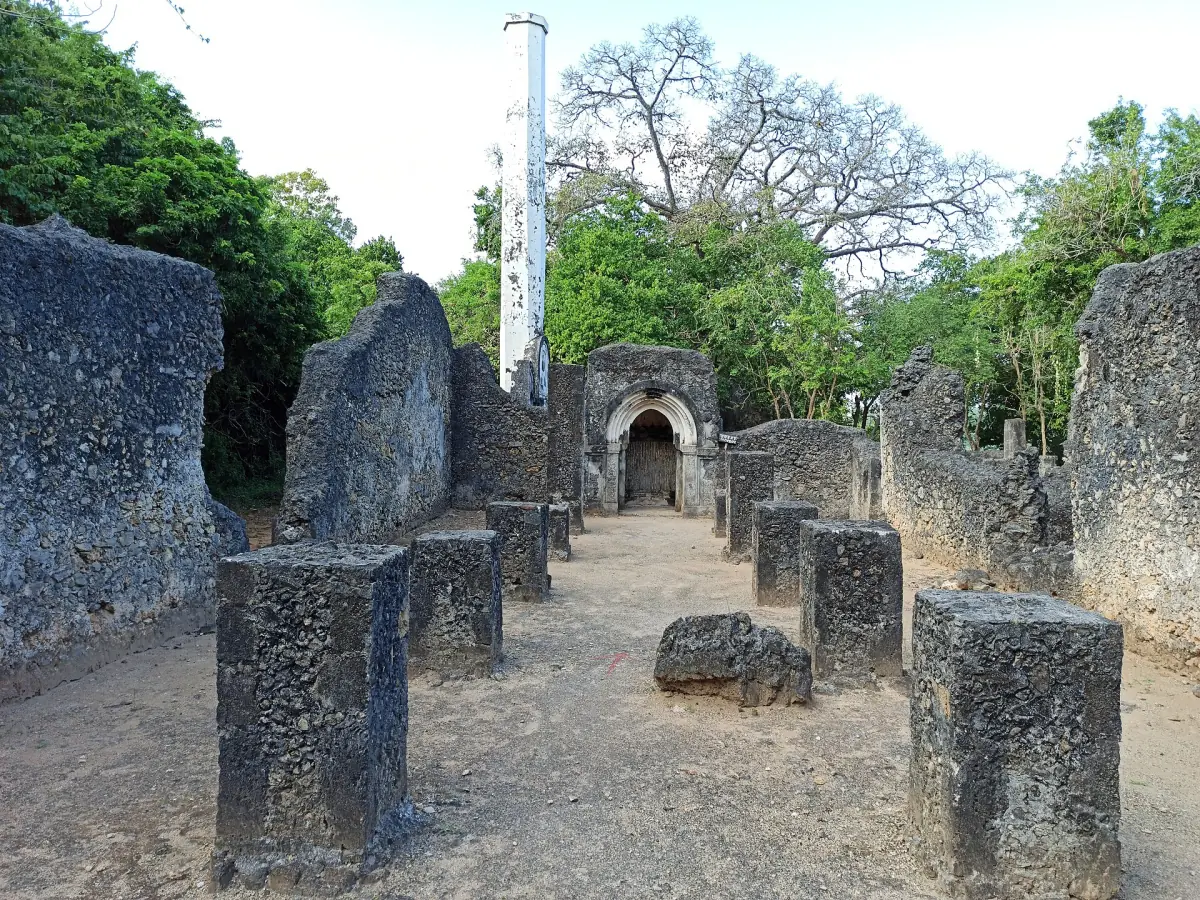
The Mnarani ruins
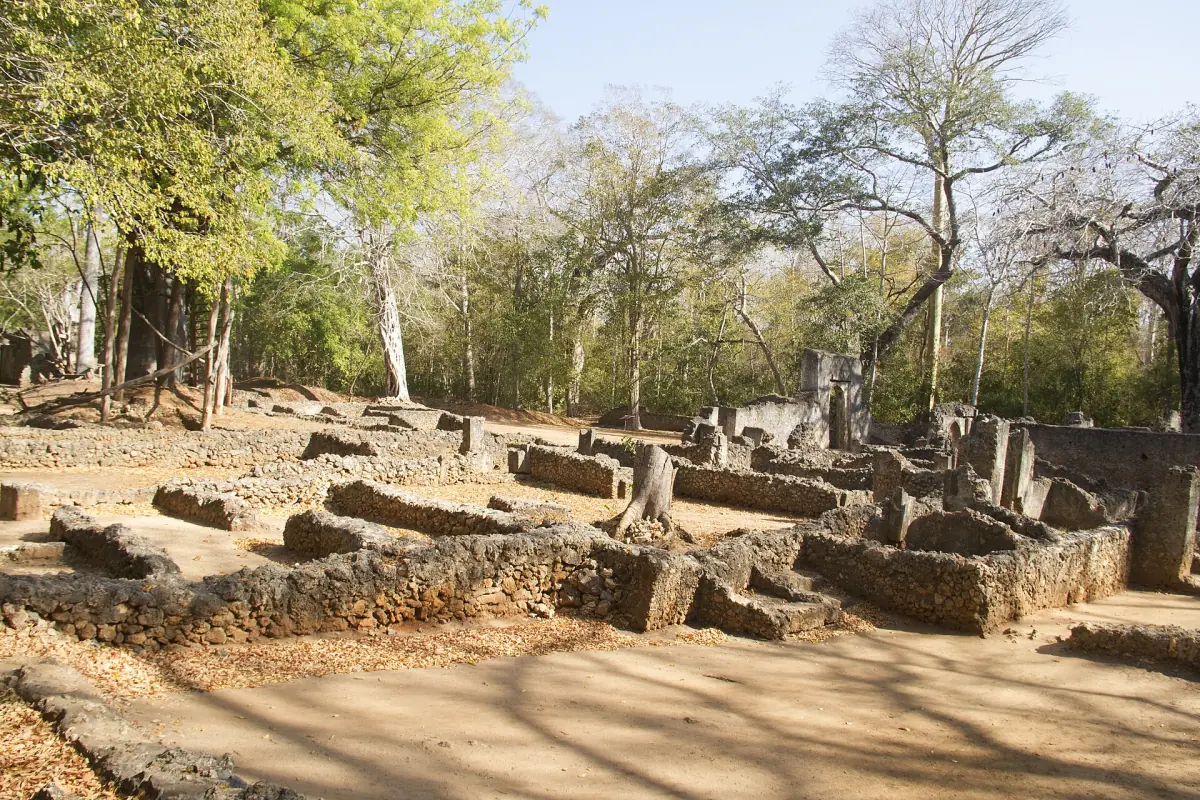
The National Museums of Kenya describes medieval Swahili ruins with mosques and tombs near Kilifi, dating from the 14th century onward. The site includes a main mosque. This is a ticketed heritage site, not a free open ruin.
| Visitor group | Adult | Child |
|---|---|---|
| Outside Africa | $8 | $4 |
| Residents and rest of Africa | $6 | $3 |
| Kenyan and East African citizens | KES 200 | KES 100 |
The hours are given two ways: 8 a.m. to 6 p.m. on the ruins' own page, and 8:30 a.m. to 5:30 p.m. on its footer and the 2026 fee notice, daily. Plan inside the shorter window. The stone is fragile, so do not touch the ruins. Guides are available on request at the entrance. The museums service names the creek as a neighbor you can combine with the visit.
Kilifi Creek
The creek is the center of the town. Boat and kayak trips are priced by each operator, so ask what the price covers, how long the trip lasts and whether a life jacket is provided. There is no standard creek ticket to rely on.
Do not assume that any stretch of the creek is a safe place to swim. Ask your host or the operator where swimming is advised and at what state of the tide. The water, the current and the boat traffic all change through the day.
Bofa Beach and staying near the creek
Choose the area before you choose the room.
The Kenya Tourism Board lists Bofa Beach as a beach destination at Kilifi. Bioluminescence is advertised as an experience here. Treat it as a possible bonus, not a promise, because it depends on conditions and cannot be scheduled.
For lodging, the board's Kilifi page mentions an accommodation called Distant Relatives. There is no single distance between the creek and the beach that fits every stay, so check the exact location of any place you book. Compare areas on the where to stay guide.
Combining Kilifi with other stops
A short list of options.
Kilifi and Watamu
The two towns are neighbors on the north coast. Add the Gede ruins for a second Swahili site.
Gede Ruins →Kilifi and Malindi
Malindi has a marine park and a museum. Travel there with the north coast advice above in mind.
Malindi guide →Lamu
Lamu is not covered here. It has its own guide at VisitLamu.org, with its own travel notices.
Plan the rest of your trip
Nearby places and practical pages.
Kilifi: frequently asked questions
Is Kilifi safe to visit?
There is no single answer. The US named Do Not Travel areas on October 19, 2026, including Kilifi County north of Highway C103, and does not describe the town as the whole county. The UK warns against a coastal strip farther north, and Germany notes a higher risk of robbery at night. Check each notice and your route.
How much is the Mnarani ruins ticket?
Since May 7, 2026, visitors from outside Africa pay $8 for adults and $4 for children. Residents and visitors from the rest of Africa pay $6 and $3, and Kenyan and East African citizens pay KES 200 and KES 100.
What are the Mnarani opening hours?
The ruins' page says 8 a.m. to 6 p.m., while its footer and the fee notice say 8:30 a.m. to 5:30 p.m. daily. Plan inside the shorter window.
Can I swim in Kilifi Creek?
Do not assume it is safe. Ask a local operator or your host where and when swimming is advised, and look at the tide and the boat traffic first.
Will I see bioluminescence at Bofa Beach?
It is advertised as an experience, but it is not guaranteed and has no fixed season. Treat it as a bonus.
Do I need insurance to enter Kenya?
Since October 5, 2026, most foreign short-stay visitors need Kenyan state travel health insurance, according to the FCDO. A foreign policy or an existing eTA does not replace it. Check the rules for your nationality.